
AI
Chatbots in your marketing strategy
Chatbots have evolved from simple text assistants into sophisticated AI-powered tools that can transform…

Chatbots have evolved from simple text assistants into sophisticated AI-powered tools that can transform the way companies interact with their audiences. Integrating chatbots into your marketing strategy is no longer a futuristic trend but a present need to improve engagement, streamline processes and, ultimately, boost your business results. This complete guide will show you how to do it effectively.
Why integrate chatbots into your marketing strategy?
Before we dive into the “how,” let's understand the “why.” Chatbots offer a number of key benefits for your marketing efforts:
-
24/7 engagement: Chatbots are available 24 hours a day, 7 days a week, so you can engage your audience at any time and in any time zone.
-
Instant answers: Users expect fast responses. Chatbots can give immediate answers to frequently asked questions and improve the user experience.
-
Qualified lead generation: Chatbots can collect user information through guided conversations, qualifying leads before they reach your sales team.
-
Personalization at scale: Based on previous interactions and the information provided, chatbots can offer personalized messages and recommendations.
-
Efficient customer support: Chatbots can resolve simple questions and route more complex issues to the right support team, freeing up human resources.
-
Valuable data collection: Chatbot interactions provide valuable insight into your audience's needs, preferences and pain points.
-
Task automation: From sending promotions to booking appointments, chatbots can automate a variety of marketing tasks.
Step-by-step guide to integrating chatbots into your marketing strategy
-
Define your goals: Before you implement any chatbot, define clearly what you want to achieve with it. Generate more leads? Improve customer service? Increase engagement on social media? Your goals will guide the design and functionality of your chatbot.
-
Identify your use cases: At which customer touchpoints can a chatbot add the most value? Consider your website, social media, messaging apps (like WhatsApp) and email.
-
Choose the right chatbot platform: There are many chatbot platforms, from no-code options to more complex solutions with advanced AI capabilities. Consider your budget, your technical needs and the complexity of the use cases you defined. (This is where you can subtly mention that Sibila offers powerful chatbot capabilities.)
-
Design the conversation: Your chatbot's script is crucial. Plan the conversation flow carefully: the questions it will ask, the answers it will give and how it will handle different scenarios. Prioritize an intuitive, friendly user experience.
-
Integrate with your existing systems: For a smooth workflow, make sure your chatbot connects with your marketing and sales tools, such as your CRM, your email marketing platform and your website.
-
Test and optimize: Before you launch your chatbot to the public, run thorough tests to spot possible errors or ways to improve the conversation. Monitor interactions after launch and keep optimizing the chatbot based on the data you collect.
-
Promote your chatbot: Make sure your audience knows your chatbot is available. Promote it on your website, social media and other marketing channels.
-
Measure your results: Define key metrics to evaluate your chatbot's performance against your initial goals. Track lead generation, customer satisfaction, cost reduction and other relevant indicators.
Examples of chatbot use cases in marketing
-
Lead generation: Offer ebooks or guides in exchange for contact information through a chatbot.
-
Customer service: Answer frequently asked questions about products, shipping or return policies.
-
Product recommendations: Suggest relevant products based on browsing history or user preferences.
-
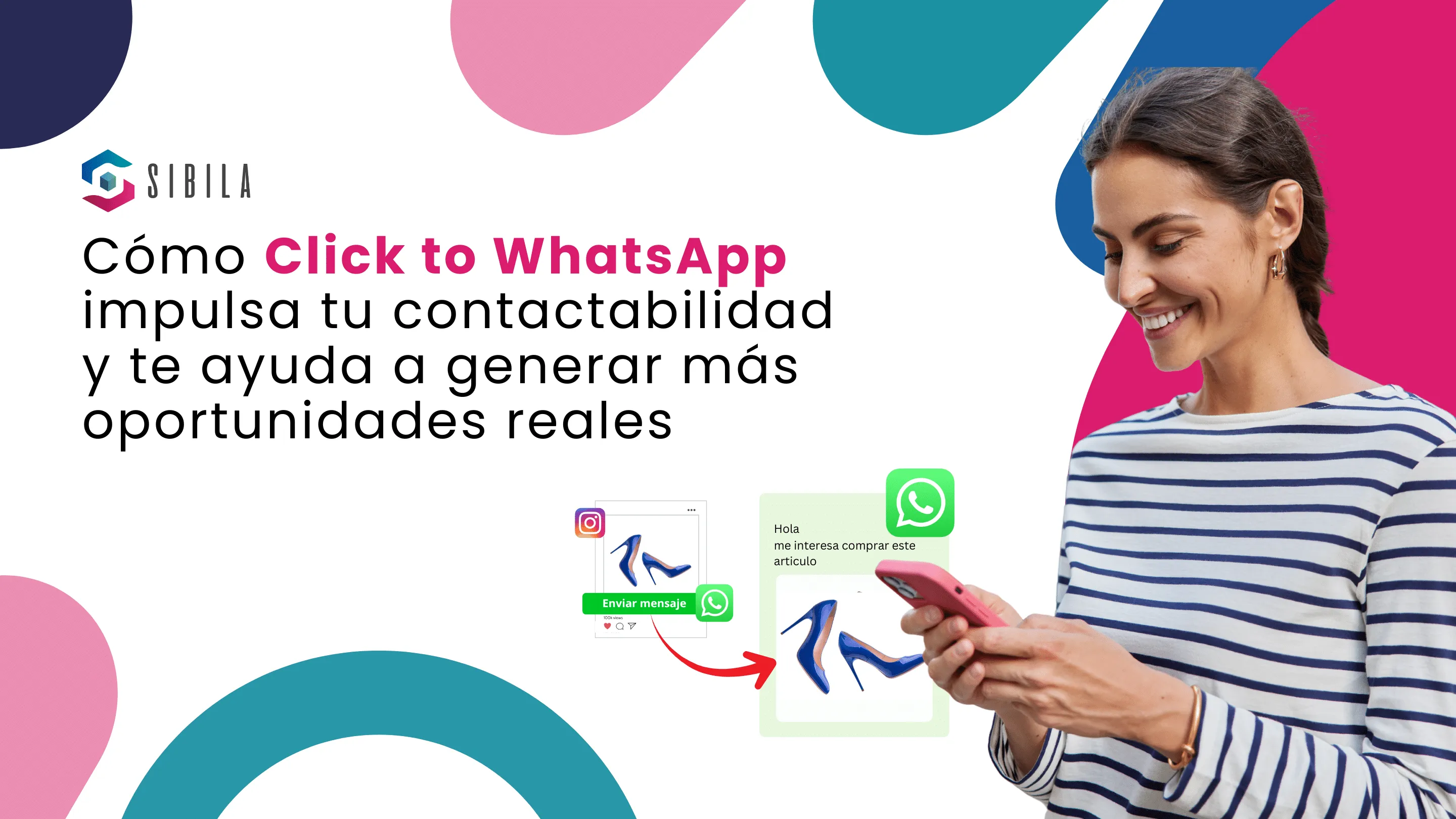
Interactive ads: Use chatbots on messaging platforms to deliver more engaging advertising experiences.
-
Bookings and appointments: Let users book appointments or make reservations directly through a chatbot.
-
Surveys and feedback collection: Get valuable customer insight in a conversational way.
Sibila: Your all-in-one platform for chatbots
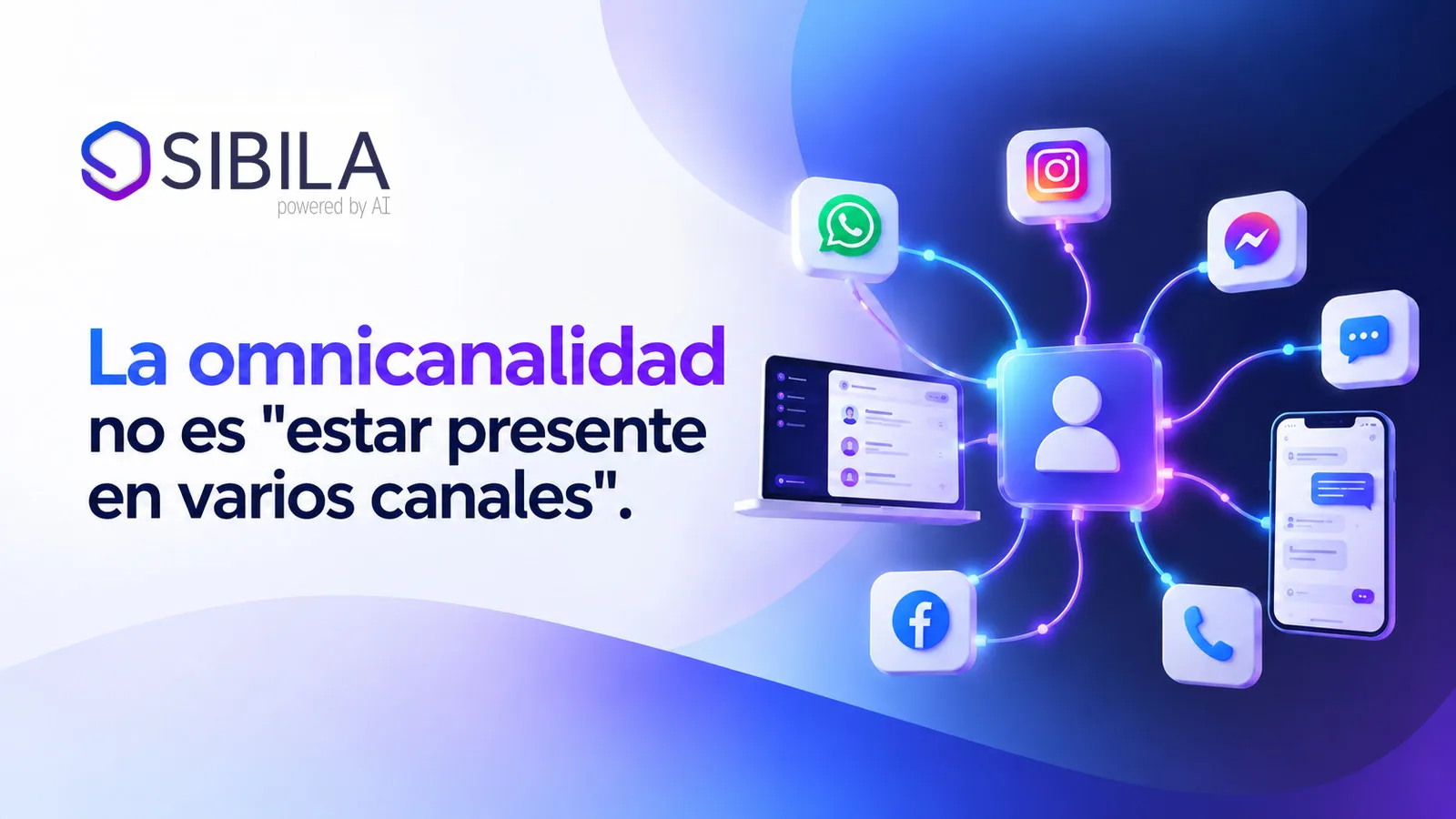
Sibila offers a robust solution for integrating chatbots into your marketing strategy. With its omnichannel platform, you can deploy chatbots across multiple channels (including your website and WhatsApp), design personalized conversations, automate workflows and analyze your chatbots' performance for continuous improvement.
Integrating chatbots into your marketing strategy is a powerful opportunity to improve engagement, streamline efficiency and deliver significant results. By following this guide and choosing the right platform, like Sibila, you can make the most of what chatbots can do and stand out in the competitive digital landscape. Start building smart conversations that drive your business today!
Want to see this working with your channels?
Book a demo